Dongguan Aier Eye Hospital: One City, Three Hospitals and One Clinic, Part of a Global Network
 0769-39003909 0769-39003909

Some say the eye is the human body’s most sophisticated "lens".
Once vision blurs, the world becomes like an out‑of‑focus photograph: road signs grow indistinct, faces become unrecognizable, and going down stairs requires counting each step. Some people are fated to live with this blurriness: 1,200‑degree myopia, corneas as thin as cicada wings, and the despair of being told they are "unsuitable for surgery" after visiting numerous hospitals.
At Aier Eye Hospital Humen, there is a doctor who pushes surgical precision to 0.1 micron, turning case after case of "impossible" into "I can see clearly now".
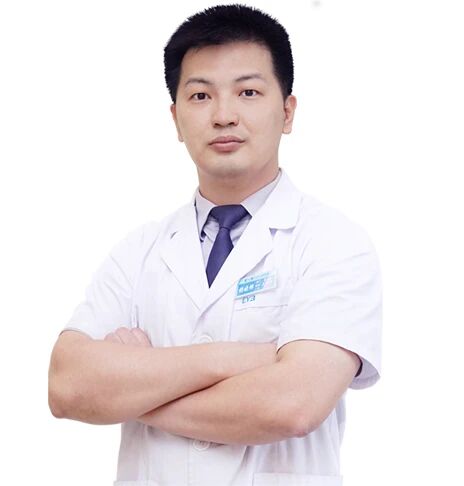
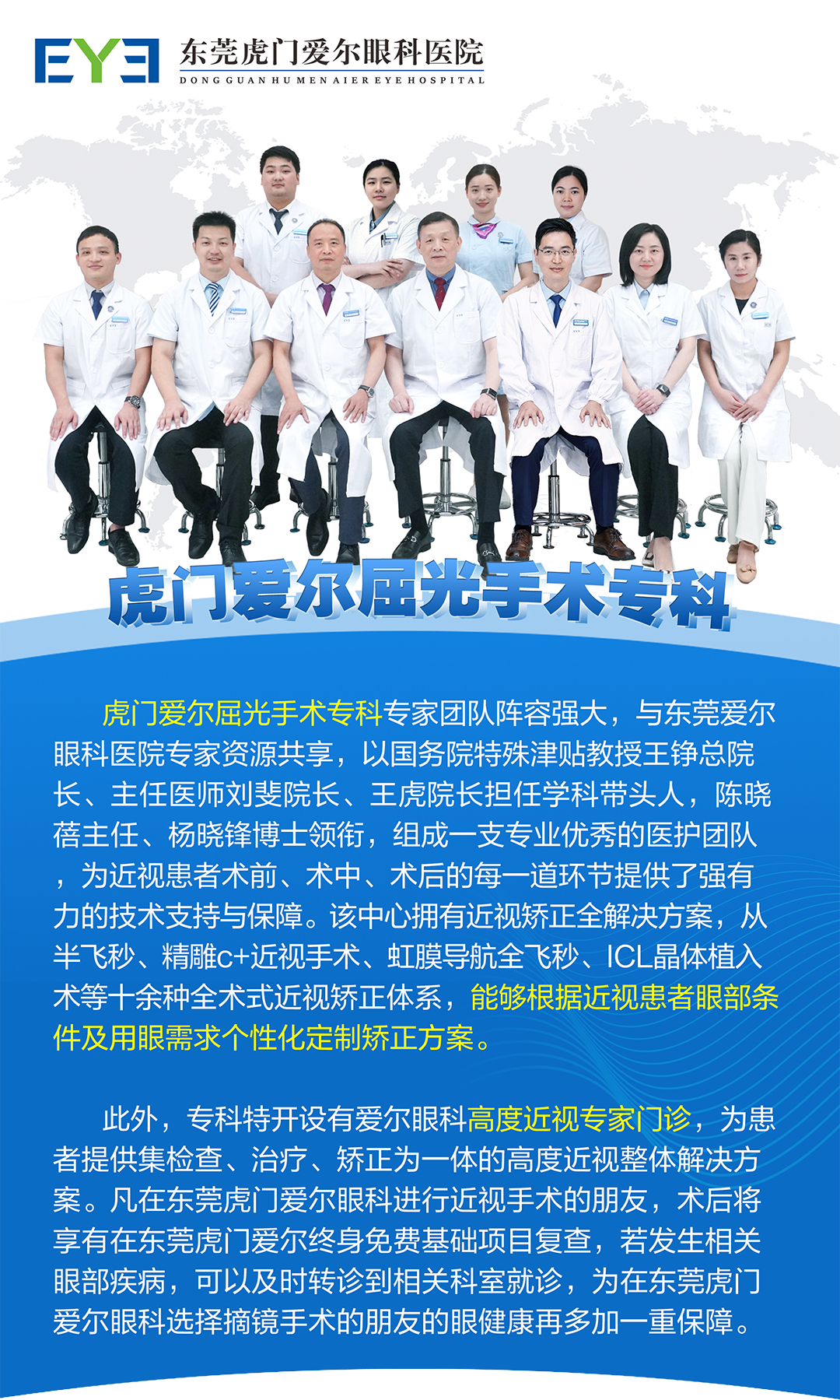
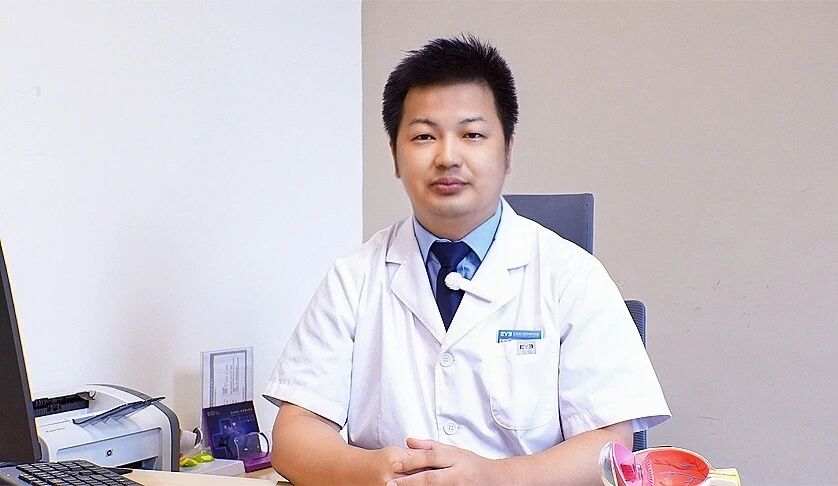
He is Yang Xiaofeng, Director of the Refractive Surgery Department at Aier Eye Hospital Humen and Doctor of Ophthalmology from Sun Yat‑sen University.
A Five‑Year Commitment with Aier Humen: From the First SMILE Procedure to Over 10,000 Successful Vision‑Restoring Outcomes
When Aier Eye Hospital Humen opened in 2021, Yang Xiaofeng moved south bringing more than ten years of refractive‑surgery experience from Zhongshan Ophthalmic Center.
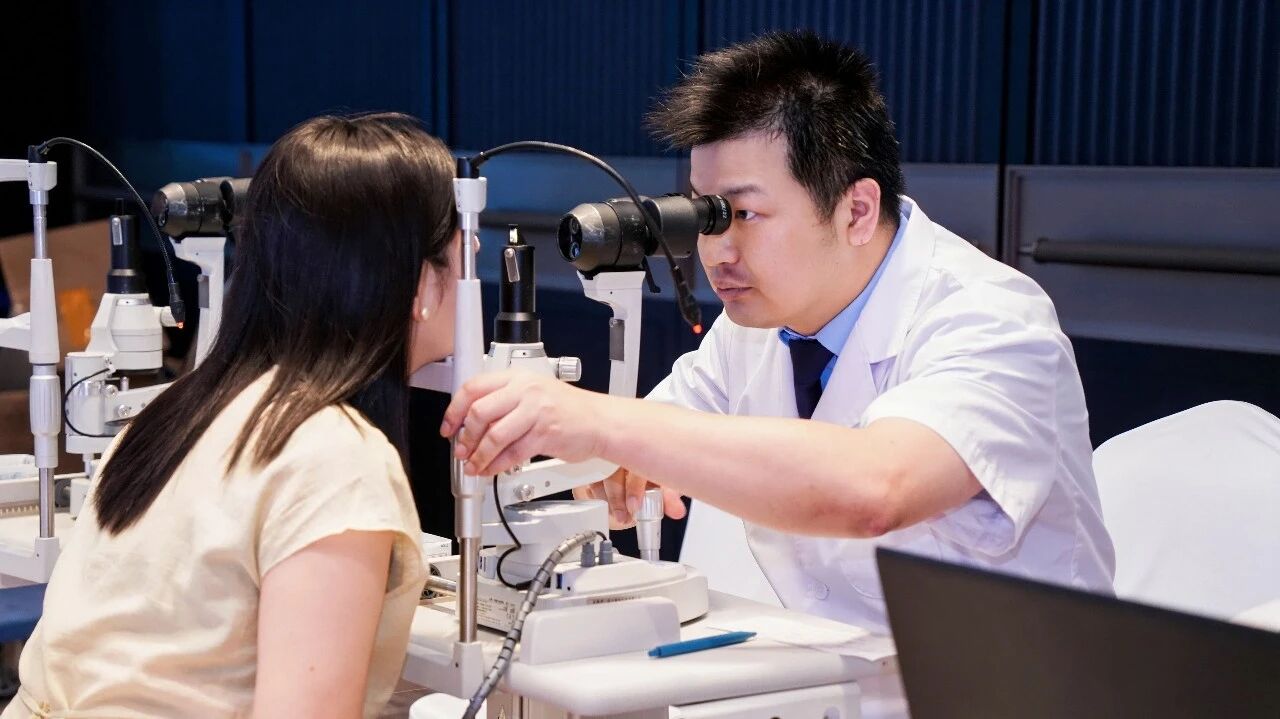
On the day of the hospital’s first SMILE procedure, the patient was a 22‑year‑old young woman with 500‑degree myopia whose dream of joining the military was blocked by poor eyesight. Instead of rushing into surgery, Yang Xiaofeng spent forty minutes explaining corneal anatomy, surgical principles and post‑operative precautions. He holds a firm belief: "Patient education comes first. Good cooperation can only be achieved with full understanding." The girl returned for a re‑check the next day with an uncorrected visual acuity of 1.0. Standing before the vision chart, she wept tears of joy.
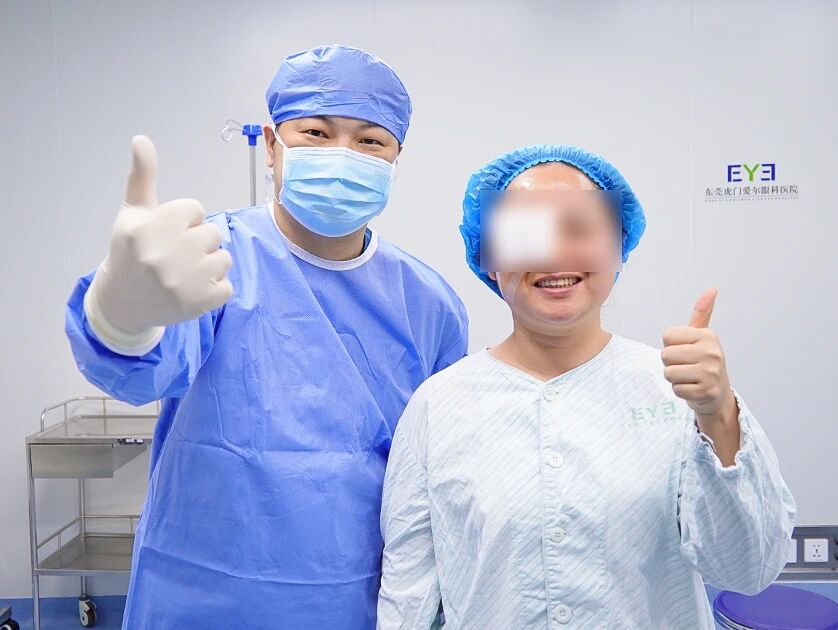
Over the past five years, Yang Xiaofeng has led the Refractive Surgery Department from a small team with just a few devices to a well‑established specialty offering a full range of procedures including Contoura Vision, SMILE and EVO‑ICL lens implantation. The department has completed more than 10,000 refractive surgeries in total and has become the top choice for myopia patients seeking spectacle removal in southern Dongguan.
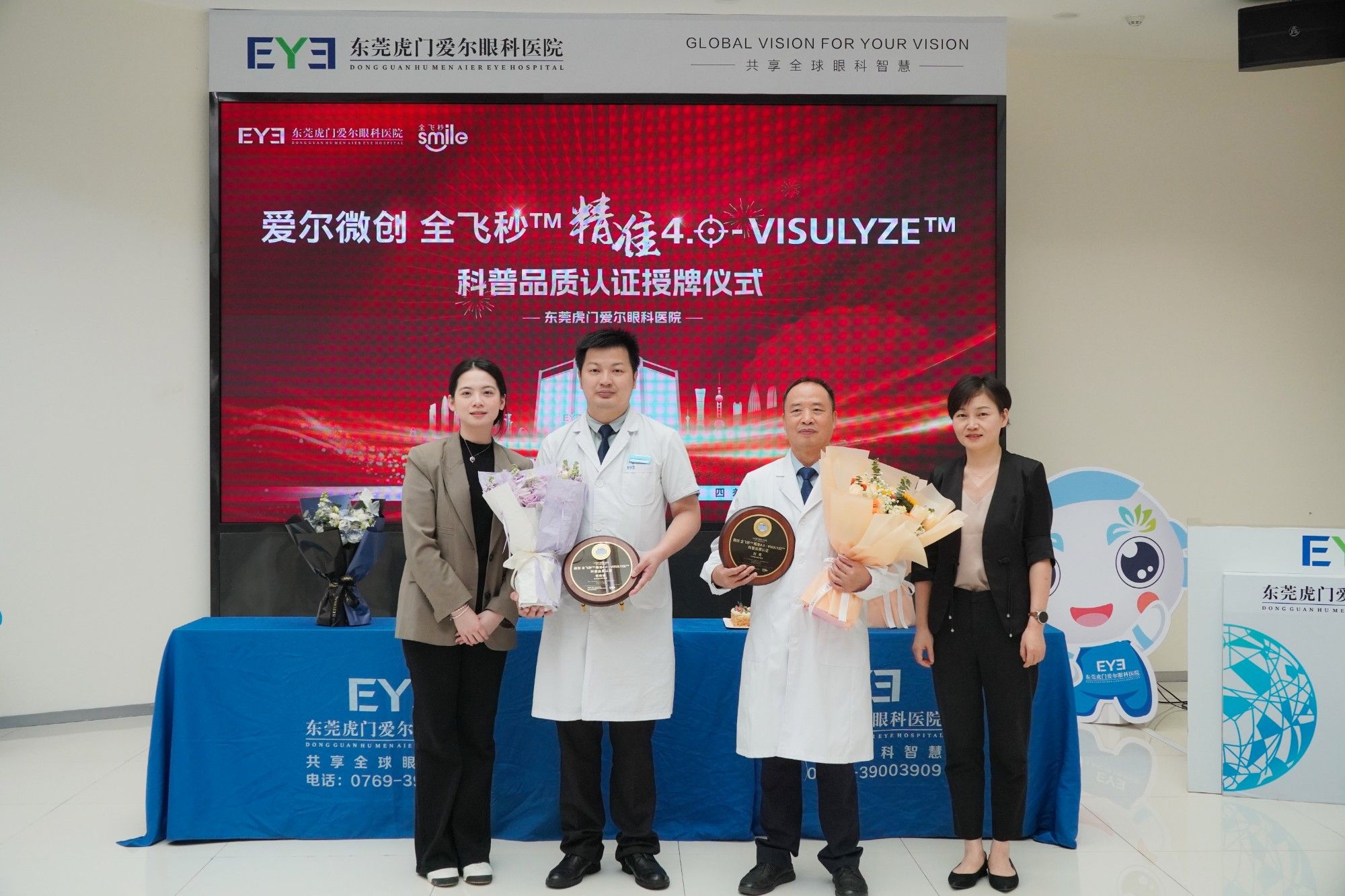
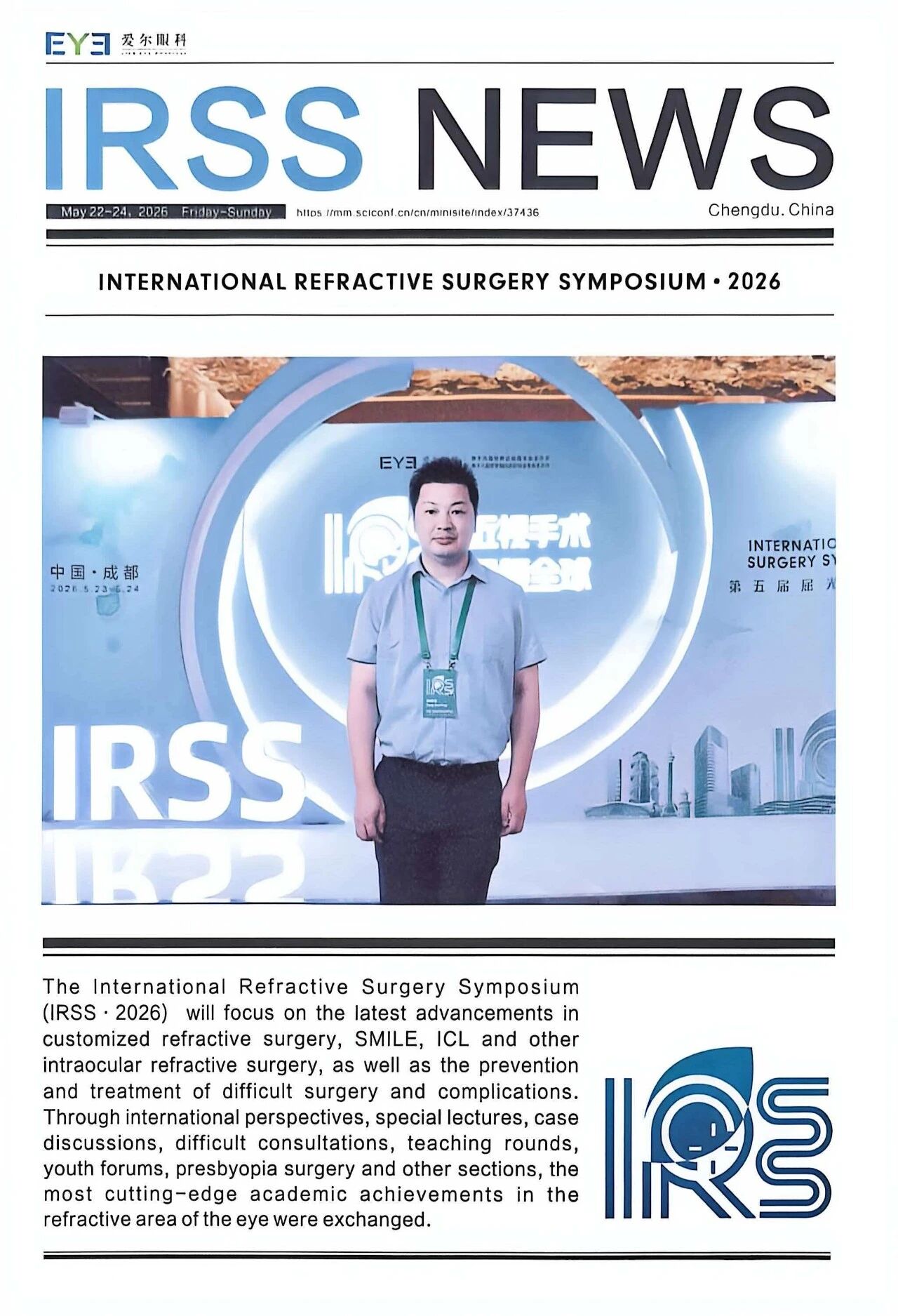
He is a certified surgeon for Contoura Vision and a globally‑certified SMILE surgeon, as well as a member of the Young Physicians Committee under Guangdong Eye Health Association. Behind these titles lies solid expertise forged by countless operations.
Pursuing 0.1‑Micron Precision: The 1,200‑Degree Myopia Case Once Deemed Hopeless
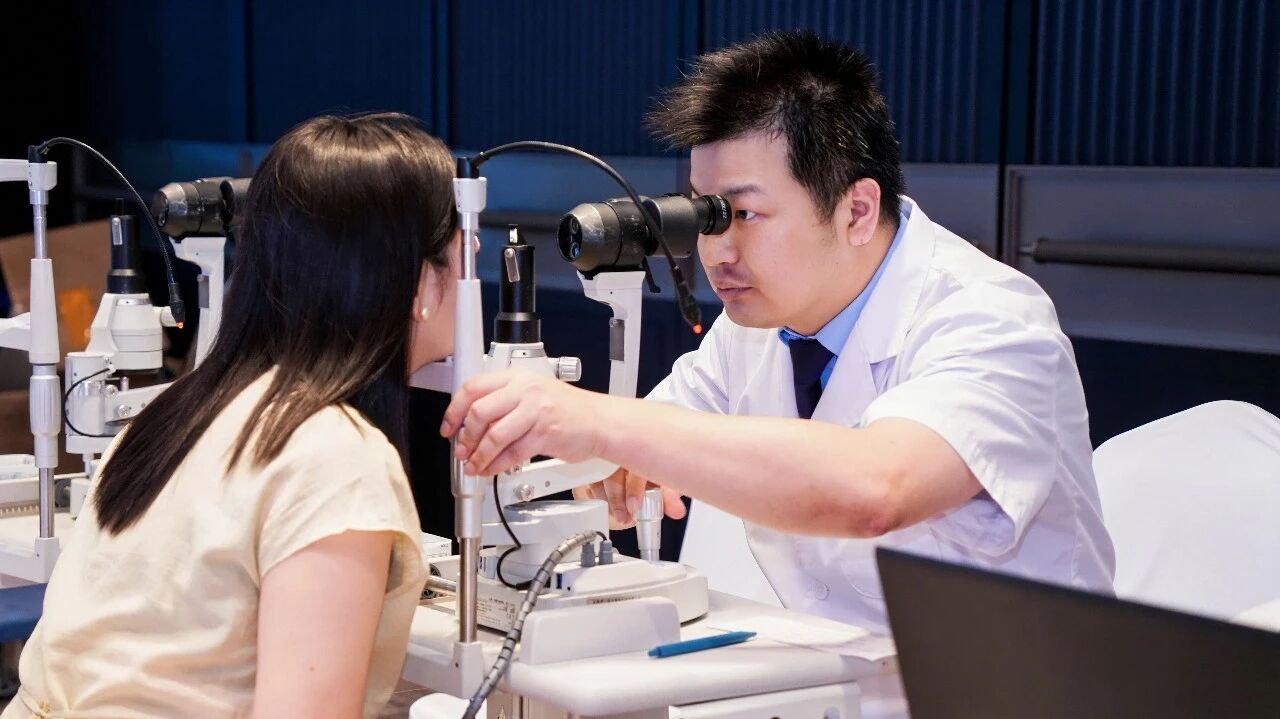
Hanging in Dr. Yang’s consultation room is a special photograph of an IT engineer wearing glasses. Pre‑operatively, the patient suffered from 1,200‑degree myopia plus 300‑degree astigmatism, with a corneal thickness of merely 480 microns — as fragile as glass on the verge of wearing through.
Mr. Zhang consulted multiple hospitals in Guangzhou and Shenzhen and received nearly identical replies: "Laser surgery is not feasible due to excessively thin cornea." He almost resigned himself to his condition.
In 2023, Mr. Zhang walked into the Refractive Surgery Department of Aier Humen. Rather than giving a hasty yes‑or‑no answer, Yang Xiaofeng set up a special research group with his team. Repeated measurements were performed with Pentacam corneal topography. After confirming his endothelial cell density reached the standard (2,850 cells/mm²), the team proposed the EVO‑ICL lens‑implantation solution.
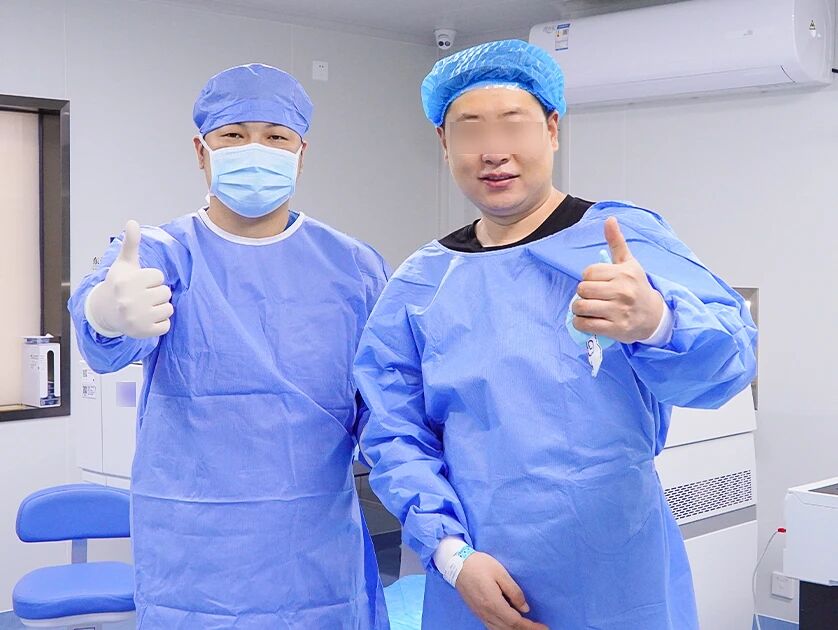
On surgery day, the V4c lens was precisely implanted through a 2.8‑millimeter micro‑incision, and the whole procedure took only five minutes. When the gauze was removed the next morning, Mr. Zhang froze. He could make out every stroke of the characters "Aier Eye Hospital" on the opposite wall. His uncorrected visual acuity jumped from 0.05 to 1.2.
One‑year follow‑up showed stable vision above 1.0 and sound corneal biomechanical parameters. Mr. Zhang would later tell others: "Dr. Yang’s hands are steadier than a 0.1‑micron laser."
Yang Xiaofeng often remarks: "Refractive surgery is no assembly‑line work. Every eye is unique. One extra calculation from me means one extra layer of safety for the patient."
A Doctor Who Listens: No Cold Instruments Come First in the Consultation Room
In Dr. Yang’s office, check‑up forms are never handed out at the very start. Conversations are.
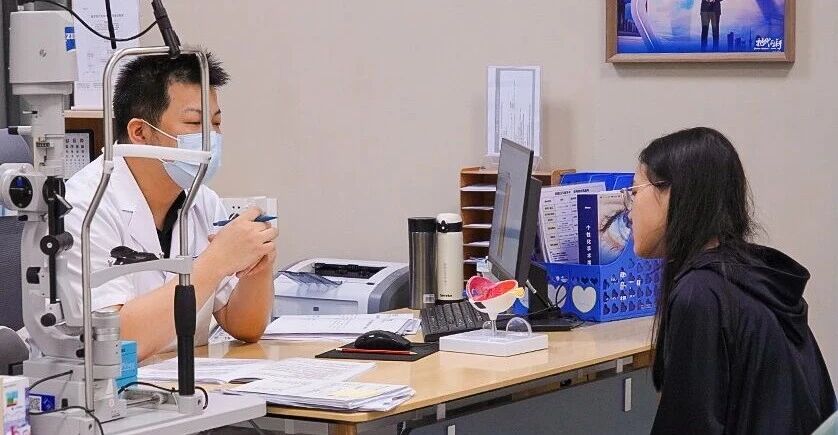
"Xiaoman, take it easy. Let’s talk about your eye‑using habits first." That is his opening line for every patient. One high‑myopia patient recalled: "Dr. Yang drew diagrams for half an hour, walking me through every layer of corneal structure until I fully understood before starting any examinations."
He calls this approach "patient‑centered education". Its purpose is not to show off professionalism, but to get patients genuinely involved in their own treatment decisions.
Every college‑entrance‑examination season brings a surge of patients eager to remove their glasses. Yang Xiaofeng never brushes off inquiries from senior‑three students or their parents. He repeatedly stresses key rules:
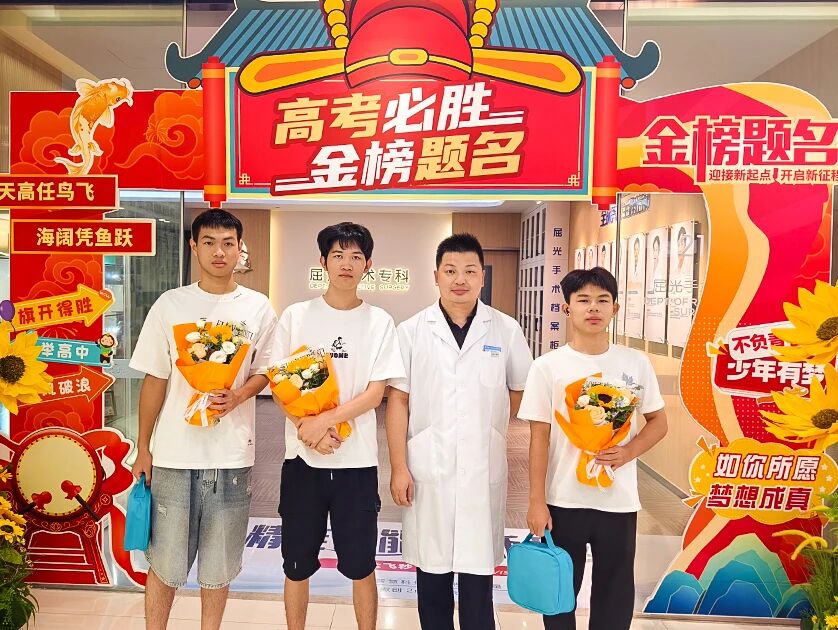
"Discontinue soft contact lenses for one week, toric lenses for three weeks, and orthokeratology lenses for three months. Eye‑rubbing distorts corneal morphology. These are not trivial details — they lay the groundwork for surgical success."
"Myopia surgery is not an instant transaction; it affects a lifetime. I would rather spend an extra half‑hour making everything clear than send anyone into surgery confused," he says.
Bringing Science to Schools: Shifting Focus from Treatment to Prevention
Dr. Yang’s work extends far beyond the operating room.
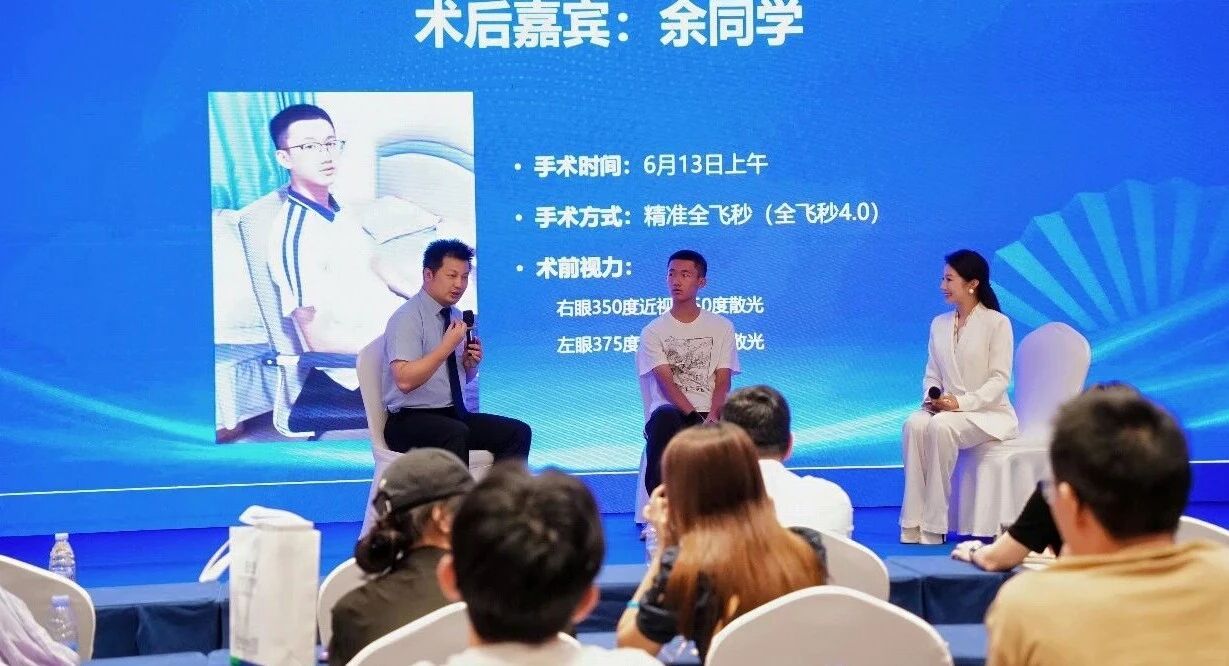
Over five years, he has spearheaded a series of eye‑health popular‑science campaigns. He has visited more than ten local schools and enterprises across Dongguan, delivering lectures on scientific eye‑use, myopia prevention and eye‑friendly diets to audiences totalling over 10,000 people. His practical experience has been compiled into the Guidelines for Eye‑Health Public Education, serving as a regional model for science outreach.
He has also hosted expert forums themed "Custom‑Built Eyes, Reshaping Vision". By dissecting key ICL surgical steps with operation footage and publicly demonstrating the 0.1‑micron laser‑positioning technique, he lets patients and the public witness every surgical link. Transparency builds the greatest trust.
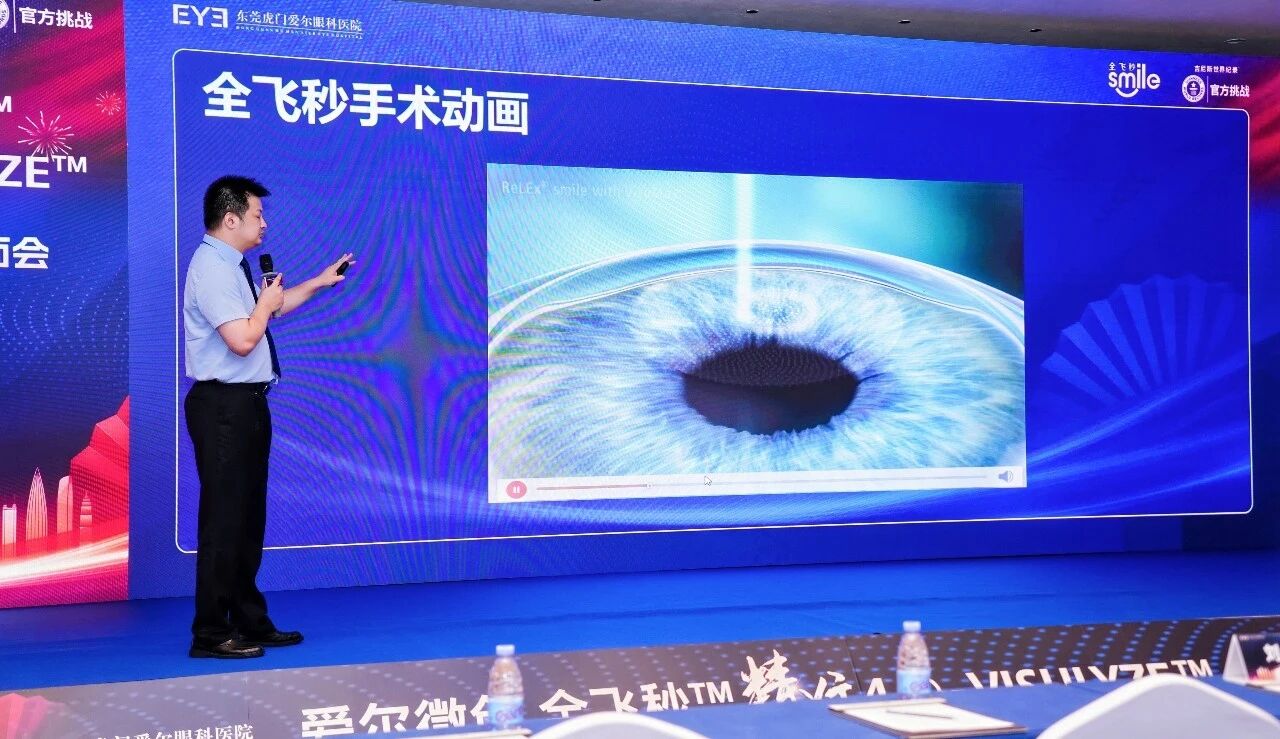
As a member of the Young Physicians Committee under Guangdong Eye Health Association, he emphasizes: "Only by refining every single surgical detail can we pursue ever‑better post‑operative visual quality for patients." His standardized operating protocols have become benchmarks for young physicians in training.
The Next Five Years: Delivering High‑Definition Vision Locally for Humen Residents
Looking ahead, Yang Xiaofeng speaks with calm resolve: "Refractive surgery is more than a technical procedure; it reshapes quality of life. Going forward, I aim to further advance our department toward fully customized eye care.
From precise pre‑operative assessment to lifelong post‑operative follow‑ups, from juvenile myopia prevention to refractive correction for middle‑aged and elderly groups, local Humen patients shall access internationally‑aligned visual solutions without leaving town. Patients from neighbouring towns and even farther away will know that a reliable team stands at Aier Humen."
He makes no grand speeches.
Yet one thing is certain: when a doctor devotes his career to chasing 0.1‑micron precision, simply hoping to hear his patients say "I can see clearly" upon opening their eyes —

咨询电话:
0769-39003909
医院地址:
东莞市虎门镇虎门大道123号