Dongguan Aier Eye Hospital: One City, Three Hospitals and One Clinic, Part of a Global Network
 0769-39003909 0769-39003909
To further improve the standardized diagnosis and treatment capacity for refractive cataract among ophthalmologists in Dongguan, popularize new diagnostic and therapeutic techniques for complex eye diseases such as cataract combined with high myopia, glaucoma and presbyopia correction, and consolidate grassroots ophthalmic medical service capabilities, the Dongguan‑level Continuing Medical Education Project — Symposium on Advances in Refractive Cataract Treatment was successfully held at Dongguan Humen Aier Eye Hospital on August 7.
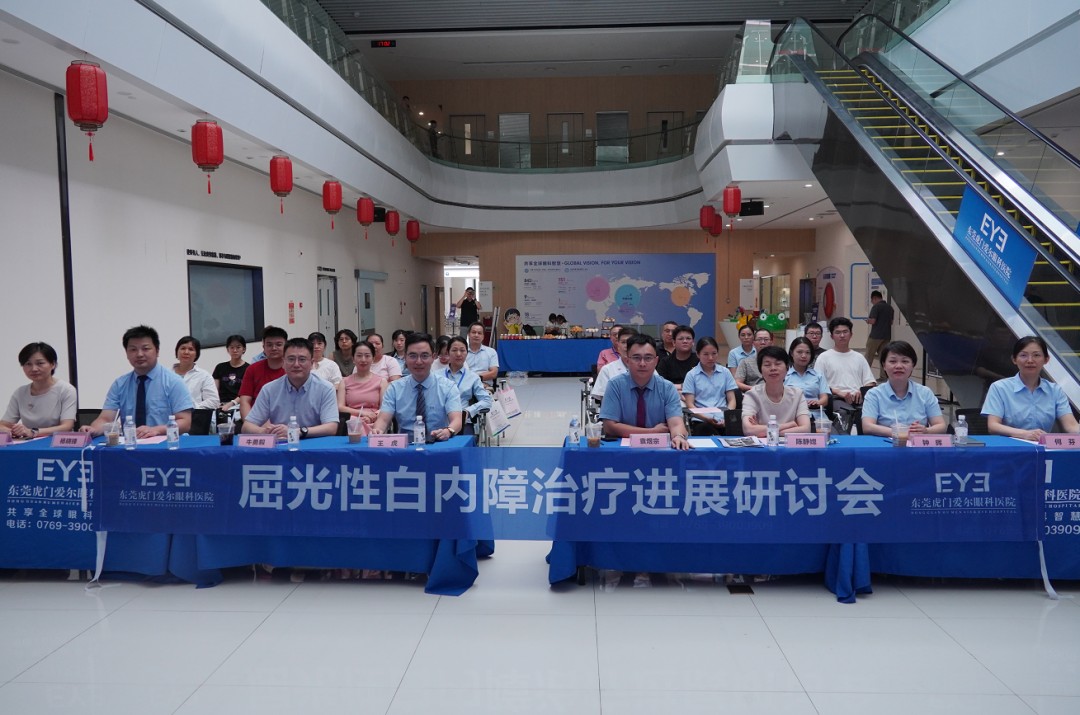
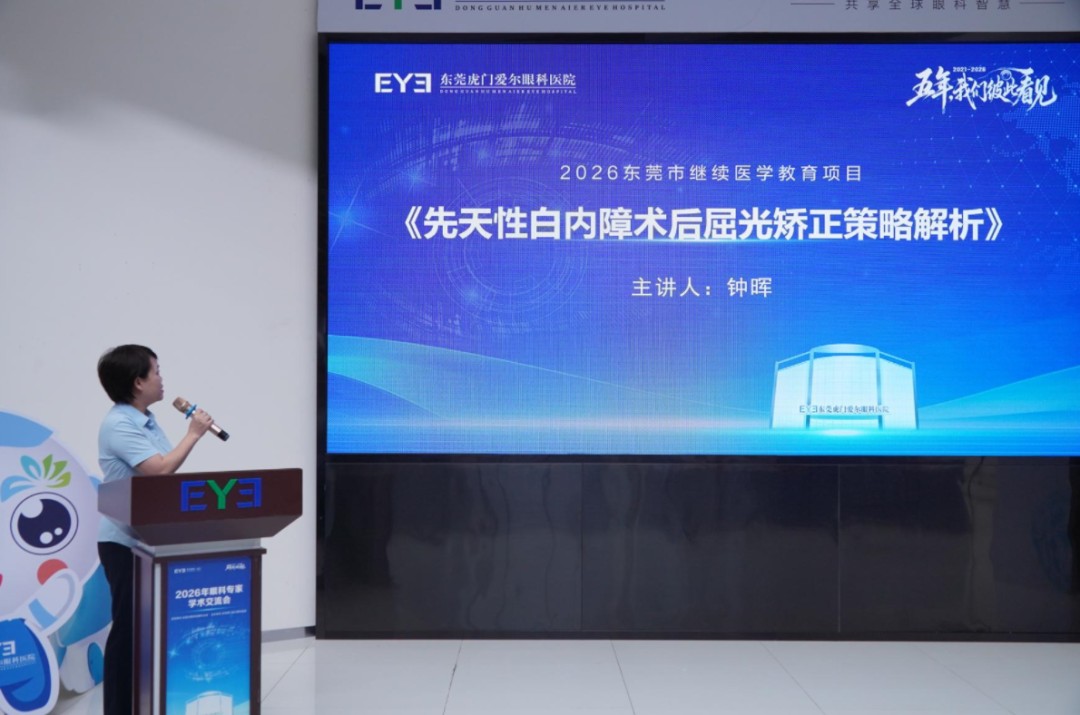
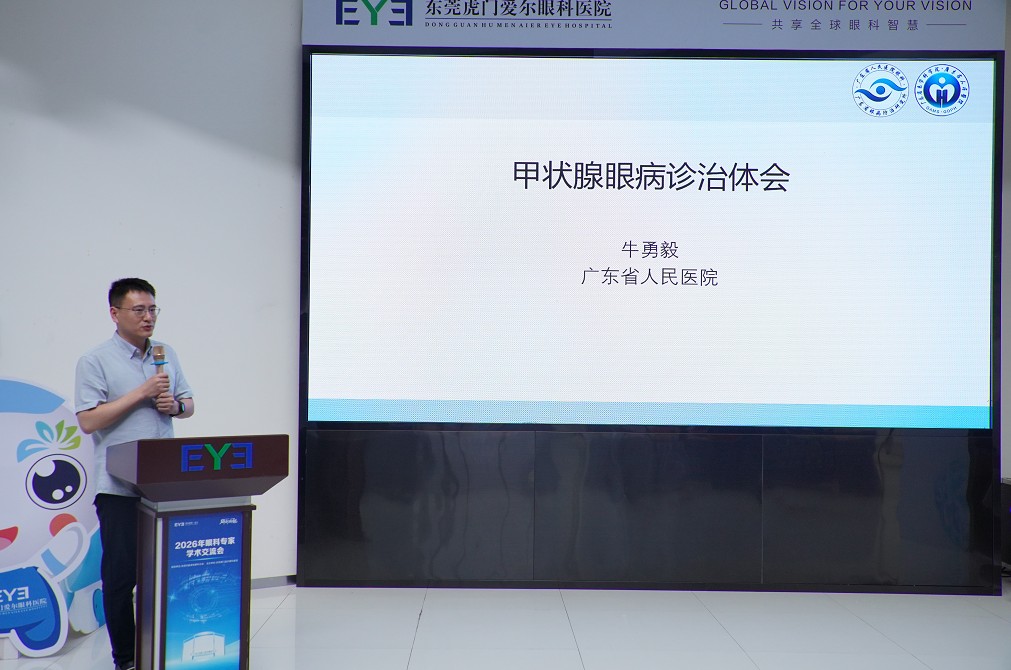
This academic event assembled many authoritative ophthalmology experts from Dongguan and across Guangdong Province, as well as front‑line grassroots ophthalmologists, forming a high‑level faculty team. President Liu Fei, General Director of Aier Eye Hospital Dongguan Region, and President Wang Hu of Dongguan Humen Aier Eye Hospital took the lead in organizing this academic conference. Professor Zhang Hongyang, Professor Chen Jingchang, Dr. Niu Yongyi and other senior provincial ophthalmology experts delivered on‑site lectures. Key hospital physicians including Director He Fen, Director Yang Xiaofeng, Director Yuan Yuzong and Director Zhong Hui presented clinical practice‑oriented lectures in turn. Ophthalmologists from multiple grassroots medical institutions across the city attended the event, creating a strong academic atmosphere.
At the opening of the conference, President Liu Fei delivered an opening address, clarifying the significance of this continuing‑medical‑education symposium: to focus on various complex cases of refractive cataract, share practical techniques including personalized intraocular lens selection, combined surgery and perioperative dry‑eye management, and roll out grassroots ophthalmology support programmes simultaneously, so as to promote parallel improvement of ophthalmic diagnosis and treatment standards in urban and rural areas.
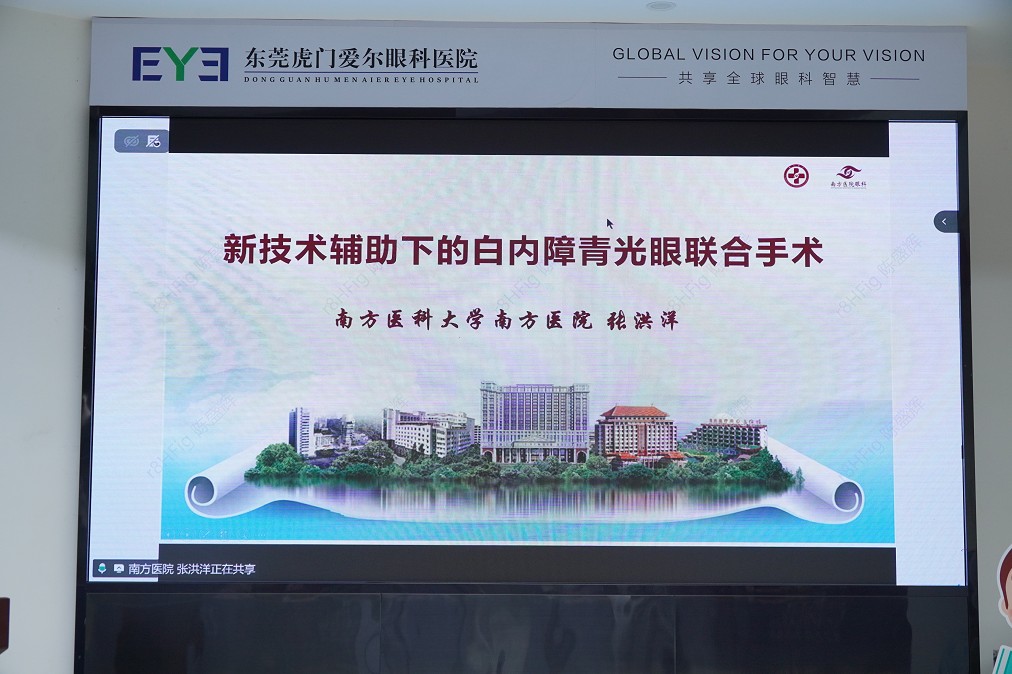
Professor Zhang Hongyang delivered an in‑depth lecture on Glaucoma‑Cataract Combined Surgery Assisted by New‑generation Technologies. He sorted out the latest minimally‑invasive surgical modalities for combined glaucoma‑cataract surgery, compared applicable scenarios for different surgical instruments, and broke down key operational details such as intraoperative intraocular‑pressure control and trabecular protection, offering new one‑stop diagnosis‑and‑treatment ideas for cataract patients complicated with glaucoma.
Addressing highly prevalent conditions among middle‑aged and elderly populations, Director Yuan Yuzong shared Perioperative Dry‑Eye Management for Presbyopia‑correcting Intraocular Lenses. He established a complete perioperative ocular‑surface care workflow covering three dimensions: preoperative dry‑eye screening, intraoperative corneal protection and postoperative stepped drug therapy, effectively improving patient comfort after presbyopia‑correcting intraocular‑lens implantation.
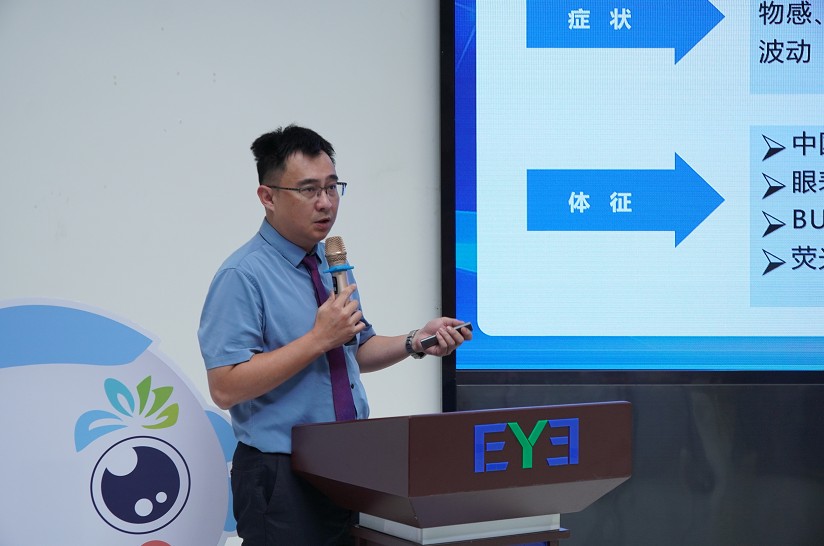
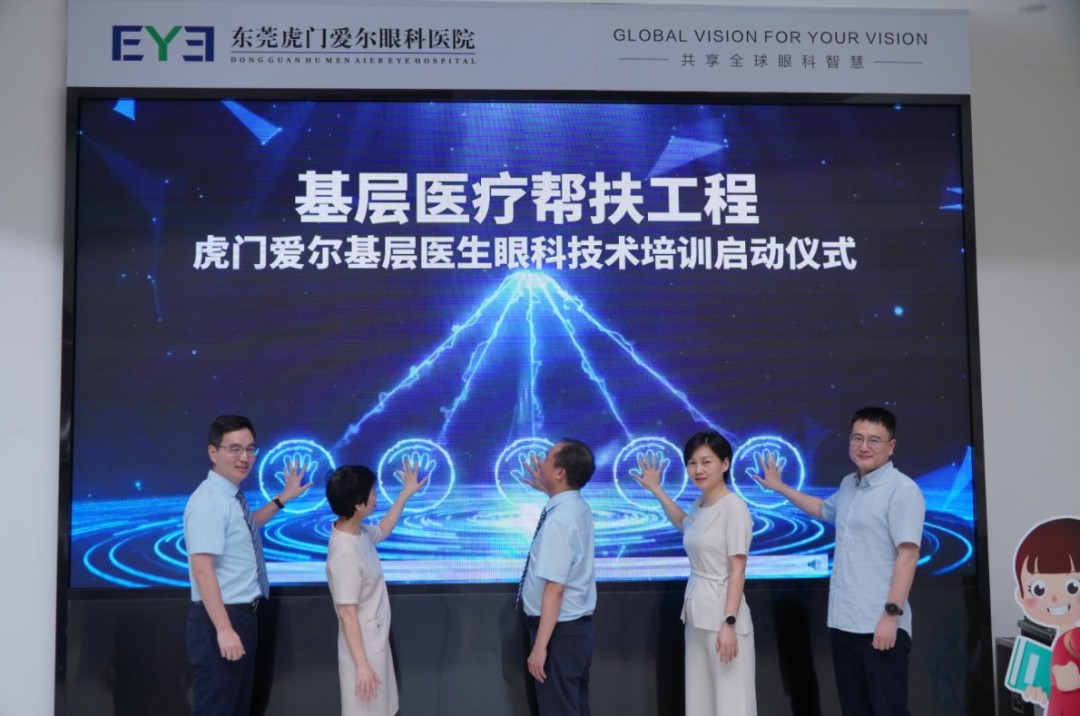
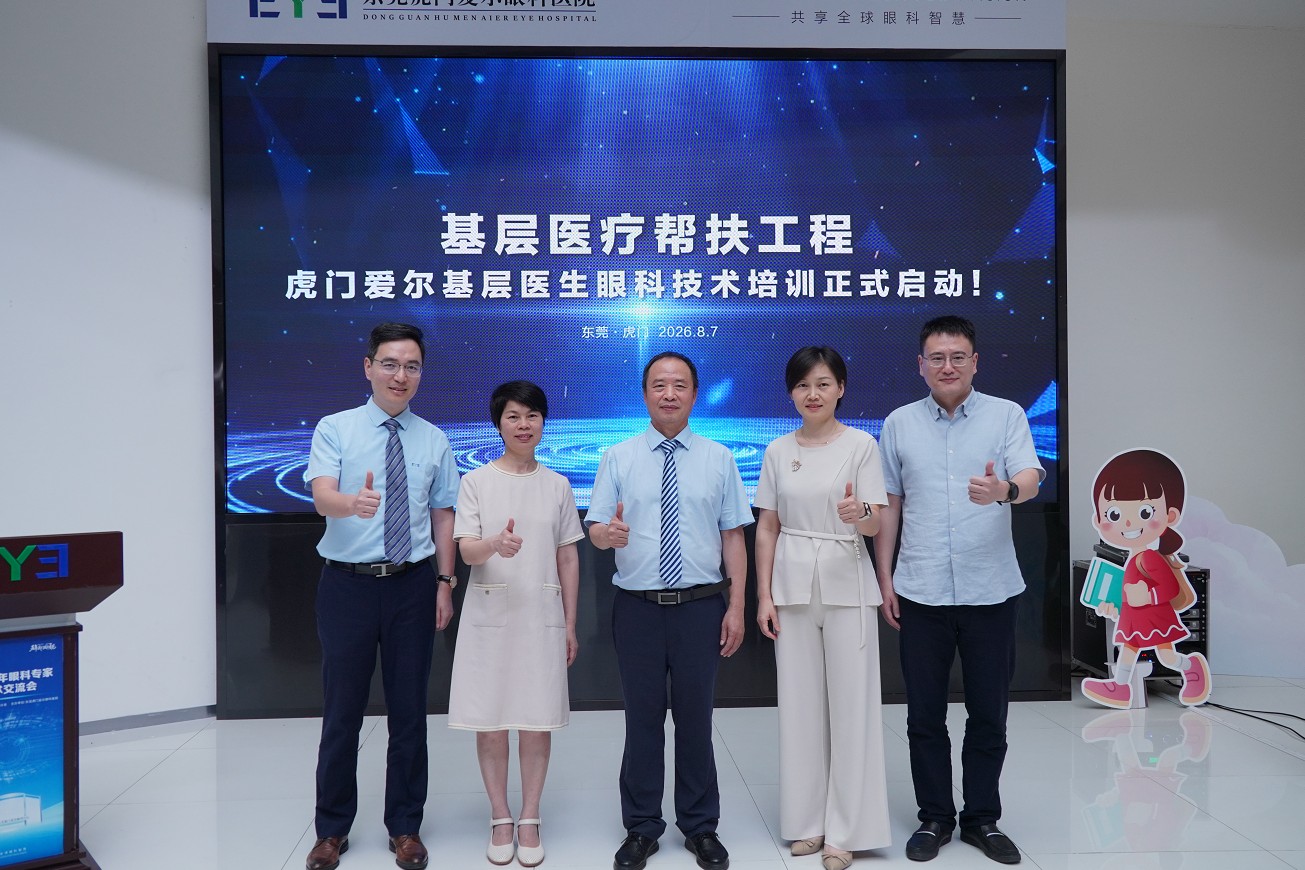
Following brief guest exchanges and discussions, the launching ceremony for the Humen Aier Grassroots‑doctor Ophthalmic Diagnosis‑and‑Treatment Training Programme was held on site. President Liu Fei and all guest lecturers jointly unveiled the plaque, marking the official launch of the long‑term ophthalmology support‑training programme targeting grassroots clinics and community hospitals in Dongguan. Subsequent public‑welfare teaching activities including offline practical training, online micro‑lectures and case consultations will be carried out continuously.
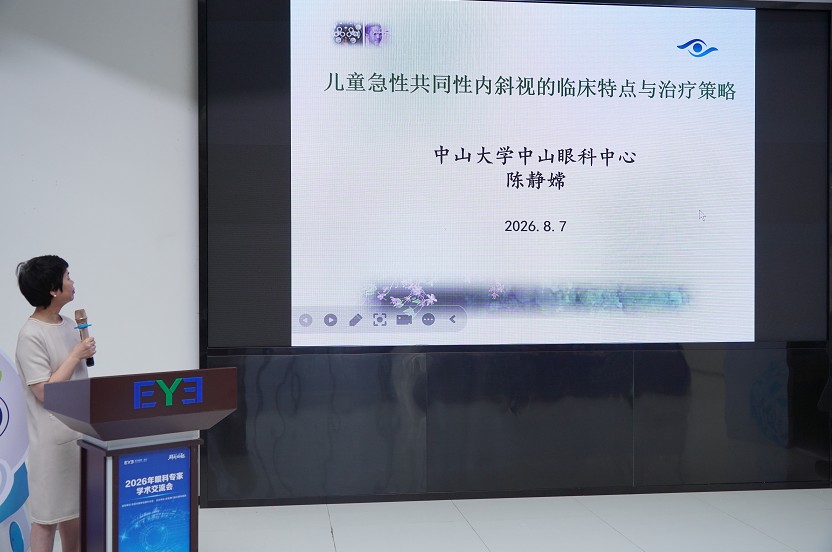
After the launching ceremony, Professor Chen Jingchang gave a special presentation on strabismus and amblyopia. Drawing on years of front‑line clinical experience, she covered classification‑based correction and postoperative visual‑function rehabilitation training for both paediatric and adult strabismus‑amblyopia, making up for grassroots physicians’ deficiencies in paediatric ophthalmology diagnosis and treatment.
Professor Zhong Hui and Dr. Niu Yongyi delivered lectures on specialized sub‑fields respectively. The former analysed the visual‑quality evaluation system after refractive cataract surgery, teaching physicians how to accurately assess intraocular‑lens fitting outcomes. The latter elaborated on staging‑based diagnosis‑and‑treatment protocols and surgical intervention indications for thyroid‑associated eye disease, filling the gap in regional academic exchanges on complex orbital diseases.
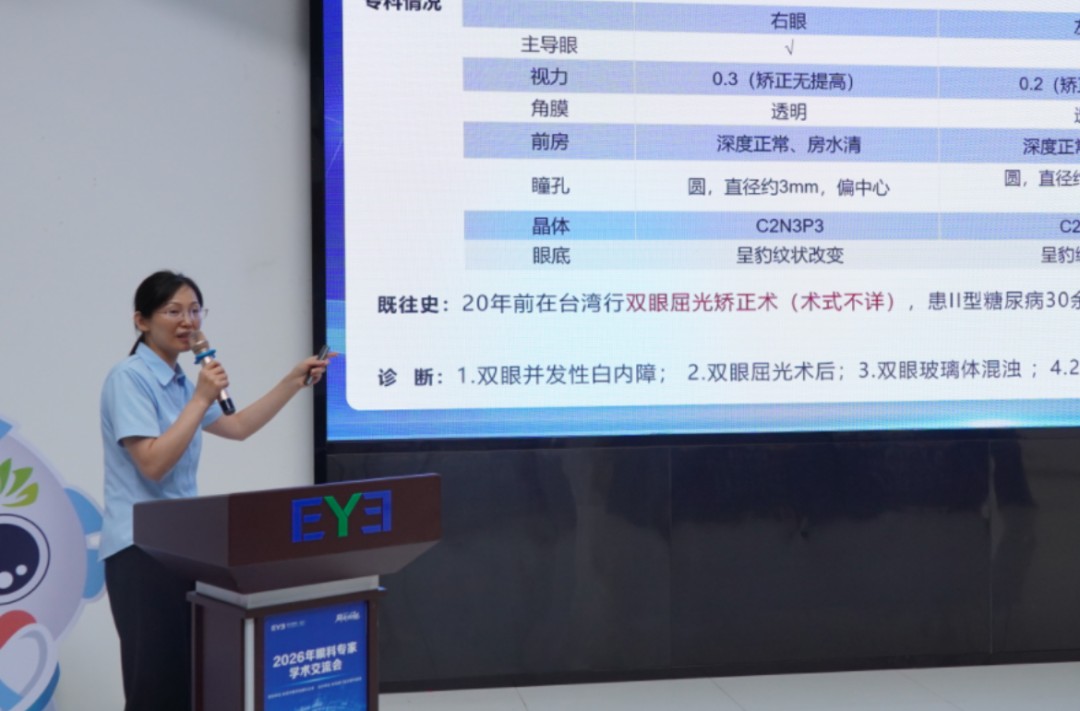
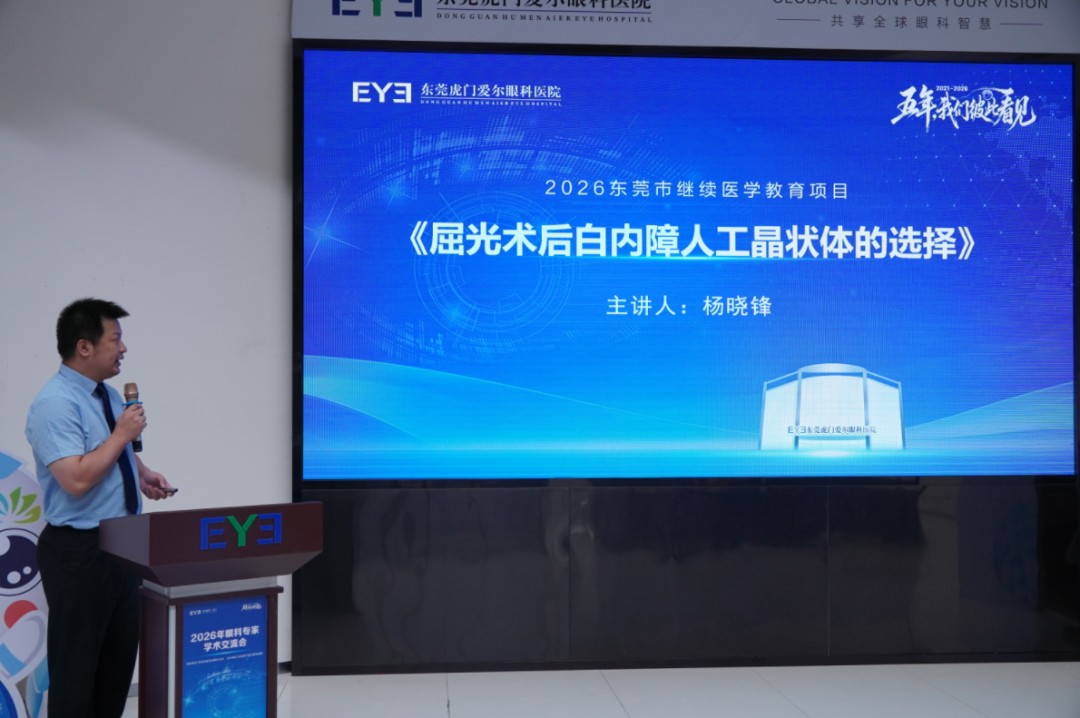
Directors He Fen and Yang Xiaofeng shared real‑world special‑case presentations. Drawing on abundant clinical medical records, Director He Fen discussed personalized surgical protocols for presbyopia correction performed concurrently for cataract patients with various fundus complications. Targeting patients with secondary cataract following prior refractive surgery, Director Yang Xiaofeng compared the pros and cons of different intraocular lenses and offered tiered lens‑selection recommendations.
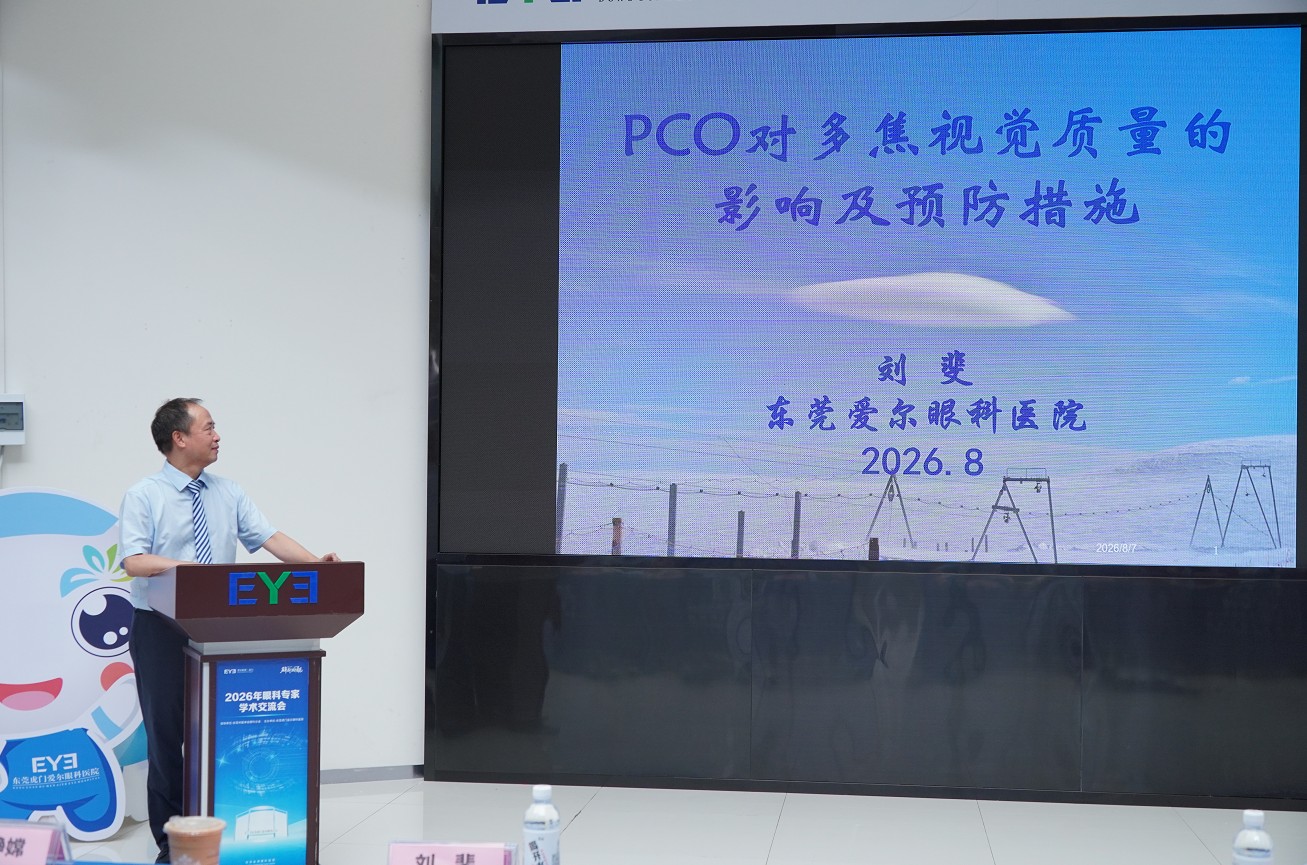
Towards the end of the conference, President Wang Hu presented Clinical Application of Multifocal Intraocular Lenses in High‑myopia‑related Cataract. He focused on triggering factors for posterior capsule opacification, preventive preoperative and intraoperative manoeuvres, and minimally‑invasive management approaches, reducing postoperative visual disturbances at source and safeguarding long‑term stable performance of multifocal intraocular lenses.
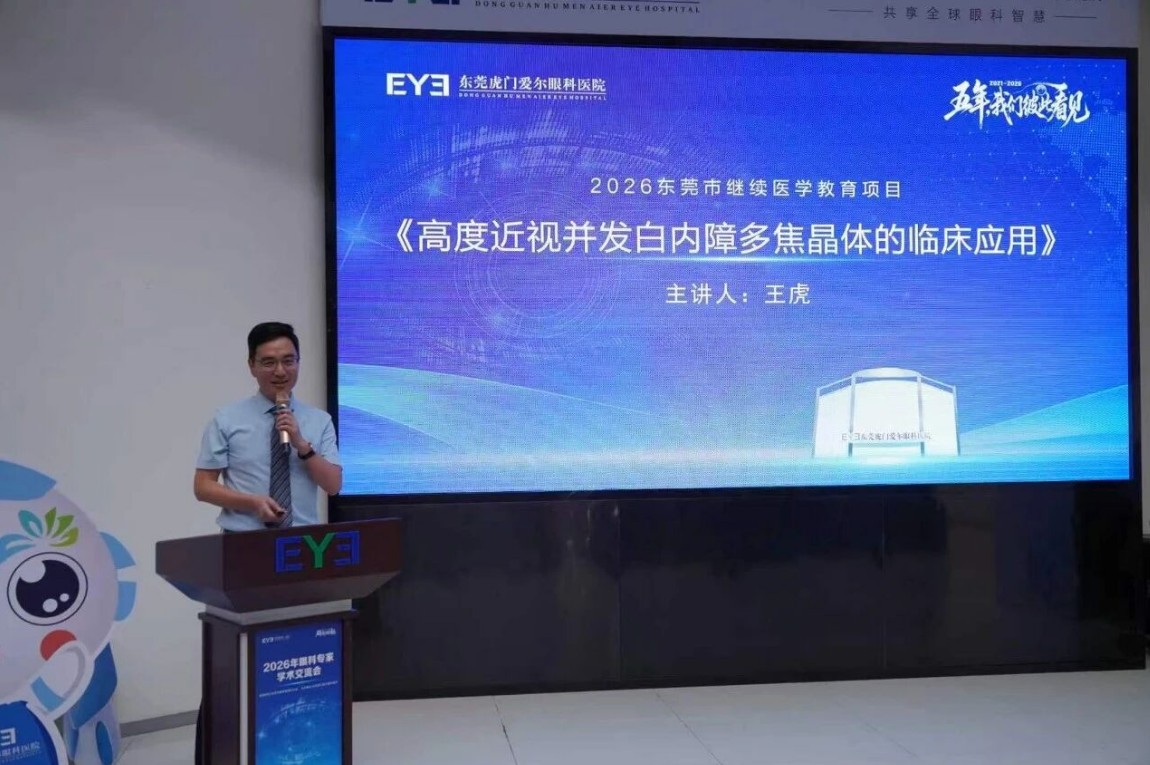
At the conclusion of the symposium, President Wang Hu delivered the closing speech and summarized the core value of this continuing‑medical‑education conference. The curriculum constructed a full‑process knowledge system for refractive cataract spanning preoperative evaluation, intraoperative procedures and postoperative care. It also covered multidisciplinary content including adult cataract, paediatric strabismus‑amblyopia and orbital diseases, effectively addressing grassroots physicians’ real‑world clinical pain points.
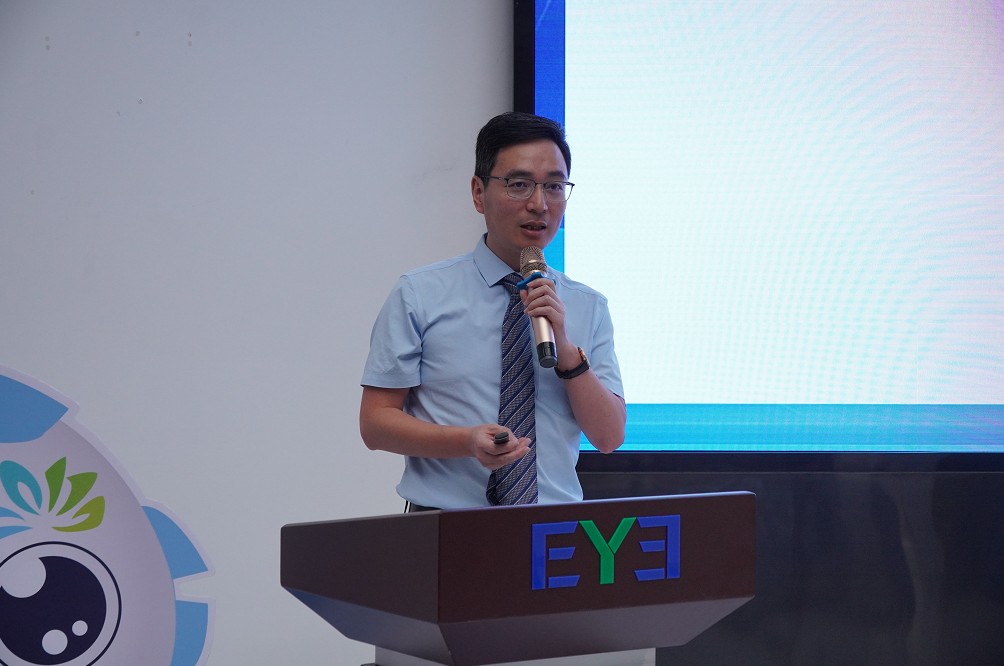
This Dongguan‑level Continuing Medical Education Symposium on Advances in Refractive Cataract Treatment has drawn to a successful close. It served not only as a high‑quality professional‑knowledge update session for ophthalmologists, but also as a practical collaborative exchange platform for the joint development and resource‑sharing of grassroots ophthalmic medical services across Dongguan.
Going forward, our hospital will steadily implement the long‑term training programme for grassroots ophthalmologists and host regular cutting‑edge academic exchange events across ophthalmic sub‑specialties. We will continuously upgrade diagnostic and therapeutic techniques for cataract, refractive surgery, fundus diseases and paediatric ophthalmology. Empowered by rigorous academic strength, we will advance regional ophthalmic medical development and provide safer, higher‑quality, integrated whole‑life‑cycle eye‑health services for citizens of Dongguan.

咨询电话:
0769-39003909
医院地址:
东莞市虎门镇虎门大道123号