Dongguan Aier Eye Hospital: One City, Three Hospitals and One Clinic, Part of a Global Network
 0769-39003909 0769-39003909
Globally, as electronic screens permeate every facet of life and work, the patient population of dry eye disease keeps expanding and growing younger. More than merely a public‑health issue, it poses a real‑world challenge affecting the quality of life and work efficiency of countless individuals. Recently, a technical upgrade for precise ocular‑surface anti‑inflammatory therapy has been rolled out in Humen, Dongguan. Lifitegrast eye drops, a dry‑eye medication with an innovative mechanism of action, have been officially introduced for clinical use at Humen Aier Eye Hospital, bringing hope of faster symptom relief for local patients with moderate‑to‑severe dry eye disease.
Moving beyond the conventional one‑size‑fits‑all treatment approach, modern dry‑eye diagnosis and treatment centers on precision and combination therapy. While introducing this new medication, Humen Aier Eye Hospital has strived to develop a comprehensive therapeutic protocol integrating physical interventions and targeted pharmaceuticals. “We combine the capacity of lifitegrast to precisely and rapidly suppress ocular‑surface inflammation with our existing physical devices such as Lipiflow and IPL, which unclog glands and eliminate inflammatory factors, to establish a synergistic treatment model of ‘gland dredging plus anti‑inflammation’,” explained Yuan Yuzong, Director of the General Ophthalmology Department at Humen Aier Eye Hospital. This etiology‑driven combined strategy addresses both the physical obstruction of blocked glands and the immunological root cause of persistent inflammation. It offers a new therapeutic alternative for patients suffering from long‑standing dry eye with recurrent symptoms.
Introduction of the New Medication: From Months‑long Waiting to Two‑week Improvement — Precision
Anti‑inflammation Accelerates Treatment
For a long time, pharmaceutical management of dry eye disease has faced considerable clinical bottlenecks. Prior to lifitegrast, commonly prescribed topical anti‑inflammatory agents usually took at least three months to produce therapeutic effects. Some patients discontinued treatment due to severe burning sensations, resulting in repeated flare‑ups. Lifitegrast, newly adopted by Humen Aier Eye Hospital in Dongguan, is the world’s first approved LFA‑1 (lymphocyte function‑associated antigen‑1) antagonist indicated for both signs and symptoms of dry eye disease. It works with high precision: during ocular‑surface inflammation, LFA‑1 on T‑cells binds to ICAM‑1 on ocular‑surface cells, triggering T‑cell recruitment, activation and release of inflammatory mediators to fuel a vicious inflammatory cycle. Acting like a priority‑occupying key, lifitegrast competitively blocks this binding. It inhibits T‑cell activation and cytokine release and prevents migration of activated T‑cells towards ocular‑surface tissues, breaking the inflammatory cycle at its source.
This novel mechanism brings remarkable progress in clinical experience. Multiple clinical trials demonstrate that lifitegrast can significantly alleviate subjective symptoms such as dryness and foreign‑body sensation as well as objective signs including corneal fluorescein staining as early as two weeks after initiation. Ocular discomfort after instillation generally resolves within three minutes. Being preservative‑free, it minimizes additional irritation to the ocular surface during long‑term administration. In January 2026, the original lifitegrast eye drops (brand name: XIIDRA®) obtained marketing approval from China’s National Medical Products Administration (NMPA), marking a new era of precise targeted anti‑inflammation with rapid onset for dry‑eye management in China.
“Many patients with moderate‑to‑severe dry eye suffer from prominent ocular‑surface inflammation. Previously we had to rely on multiple gradual interventions. Now lifitegrast gives us a new option for rapid anti‑inflammatory control,” stated Director Yuan Yuzong. The drug is particularly suitable for patients with persistent dry‑eye symptoms, suboptimal responses to prior therapies, or intolerance to irritation from traditional anti‑inflammatory medications. It may also be combined with physical therapy to achieve dual effects of anti‑inflammation and tissue repair.
Stratified Diagnosis and Combined Therapy: Delivering the Precision Protocol of “Device‑assisted Gland Dredging plus Pharmacological Anti‑inflammation”
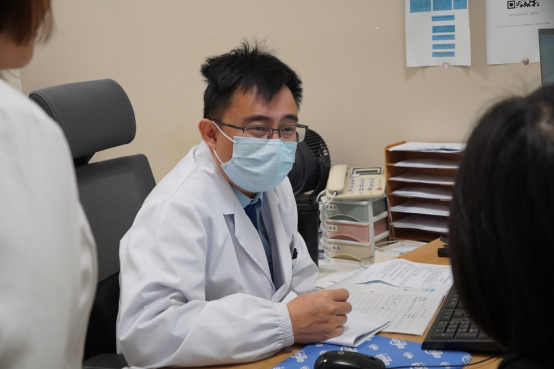
As a committee member of the Cornea and Lacrimal Disease Sub‑specialty Group under Aier Eye Hospital Group’s Guangdong Regional Council and Director of the General Ophthalmology Department at Humen Aier Eye Hospital, Yuan Yuzong has long been engaged in front‑line ophthalmic clinical practice. He boasts extensive expertise in dry eye, ocular‑surface and eyelid disorders, ocular‑surface reconstruction and corneal diseases. Supported by meticulous techniques and profound professional competence, he has helped numerous patients get relief from eye conditions.
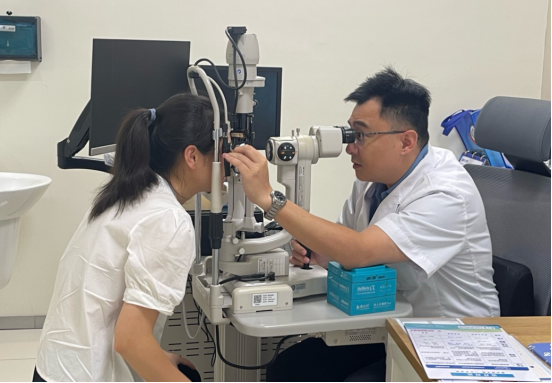
“Many people mistakenly believe dry eye is merely ‘insufficient tear production’. In fact, it is a multifactorial disorder driven by chronic ocular‑surface inflammation,” Director Yuan Yuzong emphasized. Precise stratification based on tear secretion, lipid‑layer condition and meibomian‑gland function is prerequisite for individualized treatment planning.
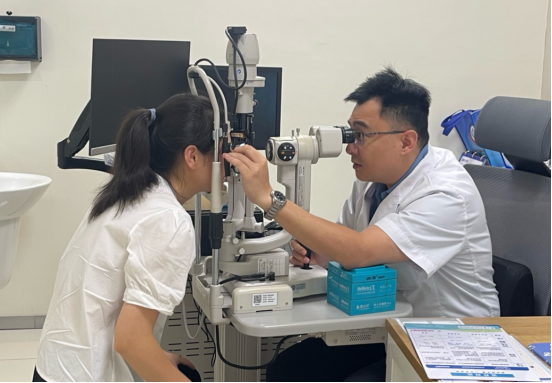
The dry‑eye clinic at Humen Aier Eye Hospital has built a standardized system grounded in stratified diagnosis. For patients with meibomian gland dysfunction, advanced physical therapeutic equipment including Lipiflow thermal pulsation systems and IPL intense pulsed light devices are deployed to unclog meibomian glands, remove inflammatory factors and stabilize the tear film physically.
The newly‑introduced lifitegrast generates synergistic benefits when paired with the above‑mentioned physical therapies. In clinical practice, the combined regimen of “physical gland dredging plus pharmacological anti‑inflammation” is adopted: devices improve gland function to facilitate drug penetration, followed by lifitegrast to rapidly curb inflammation at the immunological level. This combination yields noticeable symptom relief within roughly two weeks and achieves greater‑than‑additive therapeutic efficacy.
Director Yuan Yuzong shared a typical clinical case. Ms. Zhang, a designer with prolonged screen exposure and contact‑lens wear, presented with dry eyes, stinging pain and fluctuating vision. She was diagnosed with mixed dry eye complicated by obvious ocular‑surface inflammation. After combined intervention with IPL intense pulsed light and lifitegrast, her symptoms improved substantially within around two weeks. Corneal staining showed prominent improvement upon completion of one treatment course, and she has since resumed regular visual activities.
Advancing Ocular‑surface Health: Establishing a Full‑cycle Chronic Disease Management System for Dry Eye
As a chronic condition, dry eye demands not only in‑hospital interventions but also long‑term follow‑up and management. Humen Aier Eye Hospital has currently established a full‑cycle dry‑eye chronic‑disease management system covering prevention, diagnosis, treatment and rehabilitation, delivering stratified, tailored and comprehensive care for diverse dry‑eye patient groups.
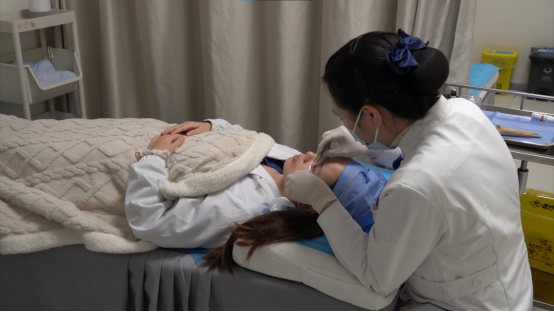
“Managing dry eye resembles treating other chronic illnesses. Joint efforts from physicians and patients plus sustained healthy ocular habits are essential,” said Director Yuan Yuzong. Alongside clinical interventions, the department develops home‑care plans for patients with recommendations on ocular hygiene, environmental adjustment and nutritional supplementation to consolidate therapeutic outcomes and prevent recurrence. Moving forward, Humen Aier
Eye Hospital will keep track of cutting‑edge advances in dry‑eye care and continuously refine clinical pathways. Leveraging resources and technical support from Aier Eye Hospital Group, it will provide more scientific, systematic and compassionate precision medical services for dry‑eye patients in Dongguan and surrounding regions.

咨询电话:
0769-39003909
医院地址:
东莞市虎门镇虎门大道123号