Dongguan Aier Eye Hospital: One City, Three Hospitals and One Clinic, Part of a Global Network
 0769-39003909 0769-39003909
Innovative Diagnostic and Treatment Solutions: Targeted Therapy Empowers Patients with Graves’ Orbitopathy for a New Lease on Vision
When hyperthyroidism is mentioned, many people first think of palpitations, hand tremors and weight loss. However, numerous patients with hyperthyroidism also suffer from ocular complications: bulging eyes, red and inflamed ocular surfaces, photophobia, tearing and double vision. This condition is thyroid‑associated ophthalmopathy, commonly known as Graves’ orbitopathy.
Following the official implementation of the 2025 National Medical Insurance Drug List, the new targeted drug Teprotumumab Injection has been included in medical insurance reimbursement for the first time, fundamentally breaking the limitations of conventional treatments for thyroid‑associated ophthalmopathy. Leveraging its specialized diagnostic and treatment strengths, the General Ophthalmology Department of Aier Eye Hospital (Humen, Dongguan) has taken the lead in introducing this insured targeted drug locally. Patients plagued by proptosis and diplopia can now access affordable targeted therapy right in their hometown, gaining new hope for eyeball recession and symptom improvement.
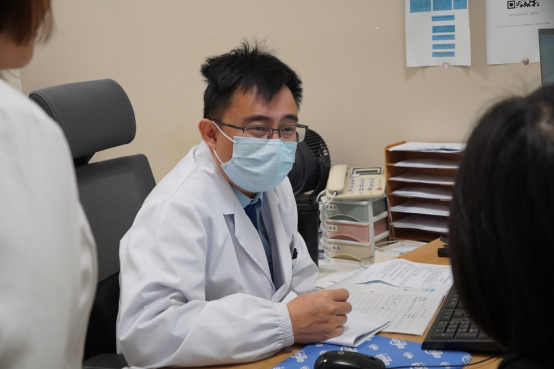
Ms. Lin, a 38‑year‑old resident of Humen, visited the General Ophthalmology Department of Aier Eye Hospital (Humen) in early May due to bilateral eyeball proptosis and recurring eye swelling and pain. She was diagnosed with thyroid‑associated ophthalmopathy. After comprehensive assessment by Director Yuan Yuzong, Ms. Lin met the indications for targeted‑drug treatment. She received her first injection of domestic Teprotumumab with support from medical insurance policies. After the second injection at the late‑May follow‑up visit, her proptosis gradually subsided and her ocular condition improved significantly.
It is understood that for a long time before, targeted therapy for thyroid‑associated ophthalmopathy in China relied on imported medicines, with a single‑course cost of nearly 3 million yuan. The exorbitant price put the treatment out of reach for most ordinary patients. Since domestic Teprotumumab has been successfully covered by medical insurance, patients’ out‑of‑pocket expenses have dropped substantially, greatly alleviating their financial burden of medical treatment at its source.
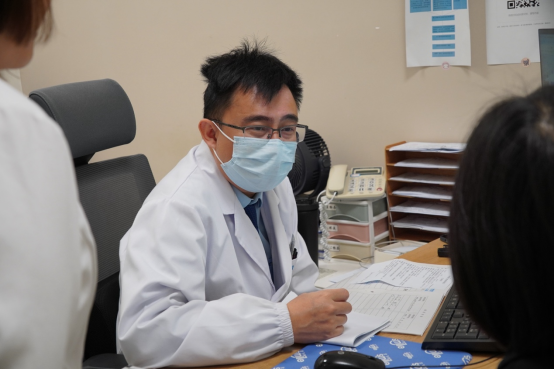
“Thyroid‑associated ophthalmopathy is an autoimmune disorder. Its typical clinical manifestations cover eyeball proptosis, eyelid retraction and restricted eyeball movement. Critically ill patients may develop secondary exposure keratitis and compressive optic nerve injury, which can further result in corneal perforation and permanent blindness in grave conditions. Conventional hormone therapy is a broad‑spectrum immunosuppressive regimen. It cannot target the root cause of the disease, delivers limited corrective effects on proptosis, and tends to trigger diverse adverse reactions with long‑term administration,” Director Yuan Yuzong explains. As the world’s first targeted drug that directly addresses the pathogenesis of thyroid‑associated ophthalmopathy, teprotumumab injection specifically blocks the IGF‑1R signaling pathway. It reduces intraorbital hyaluronic acid synthesis and relieves orbital edema at the source, facilitates physiological recession of the eyeball, and ameliorates complications such as diplopia and corneal exposure, so as to effectively improve patients’ appearance and quality of daily life. Clinical data show that after completing standardized treatment courses, most patients with moderate‑to‑severe active disease achieve several millimeters of reduction in proptosis, alongside marked improvement or even complete resolution of diplopia.
Director Yuan Yuzong reminds that early intervention for thyroid‑associated ophthalmopathy helps preserve visual function to the maximum extent. People with a medical history of hyperthyroidism or hypothyroidism must seek timely consultation at specialized ophthalmology clinics once they experience eyeball proptosis, incomplete eyelid closure, diplopia, restricted eyeball rotation, sudden vision loss, conjunctival congestion or corneal ulceration.
As a member of the Cornea and Lacrimal Disease Academic Group of Aier Eye Hospital Group (Guangdong Region), Director Yuan Yuzong has been engaged in ophthalmic clinical work for years and accumulated solid clinical experience in the diagnosis and treatment of orbital‑related eye diseases. With refined diagnostic and therapeutic techniques, he has helped numerous patients relieve ocular sufferings.
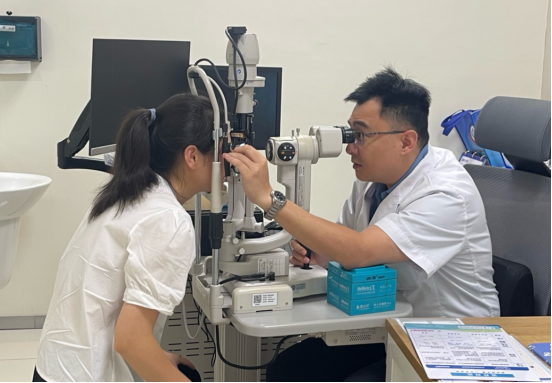
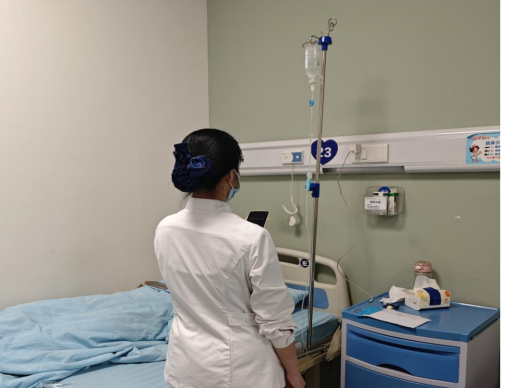
Relying on the platform strengths of the Orbital Disease and Oculoplastic Surgery Specialty under Aier Eye Hospital Group, the General Ophthalmology Department of Humen Aier Eye Hospital has set up a multidisciplinary joint diagnosis‑and‑treatment team and built a one‑stop full‑cycle treatment system. It conducts precise screening for eligible candidates for targeted therapy through CAS disease‑activity scoring, orbital imaging examinations and visual‑function assessments at the initial‑visit stage. Standardized intravenous medication is administered in the hospital’s day‑time infusion zone, followed by surgical repair and adjustment after disease stabilization. A closed‑loop treatment workflow of “precision assessment — targeted medication — post‑treatment rehabilitation” is therefore realized. Meanwhile, one‑stop instant medical‑insurance settlement is available within the hospital. Patients no longer need to pay for medicines out‑of‑pocket or travel to other regions for advance payment, bringing a more convenient and hassle‑free medical experience.
The availability of reimbursable teprotumumab at Humen Aier Eye Hospital marks the official arrival of the era of precise targeted therapy for thyroid‑associated ophthalmopathy in Humen, Dongguan and surrounding areas. Local patients can access cutting‑edge standardized medical services covered by medical insurance without travelling out of town.

咨询电话:
0769-39003909
医院地址:
东莞市虎门镇虎门大道123号